Kidney stones are becoming increasingly common across all age groups, especially in urban India. Many people experience severe pain from kidney stones without fully understanding what causes kidney stones in the first place. Knowing the causes can help prevent recurrence and protect long-term kidney health.
In this comprehensive guide, we will clearly explain what causes kidney stones, how diet, lifestyle, and medical conditions play a role, and what you can do to reduce your risk. This article is written in simple, patient-friendly language while remaining medically accurate and SEO-optimized.
Understanding Kidney Stones
Before diving deep into what causes kidney stones, it’s important to understand what they actually are.
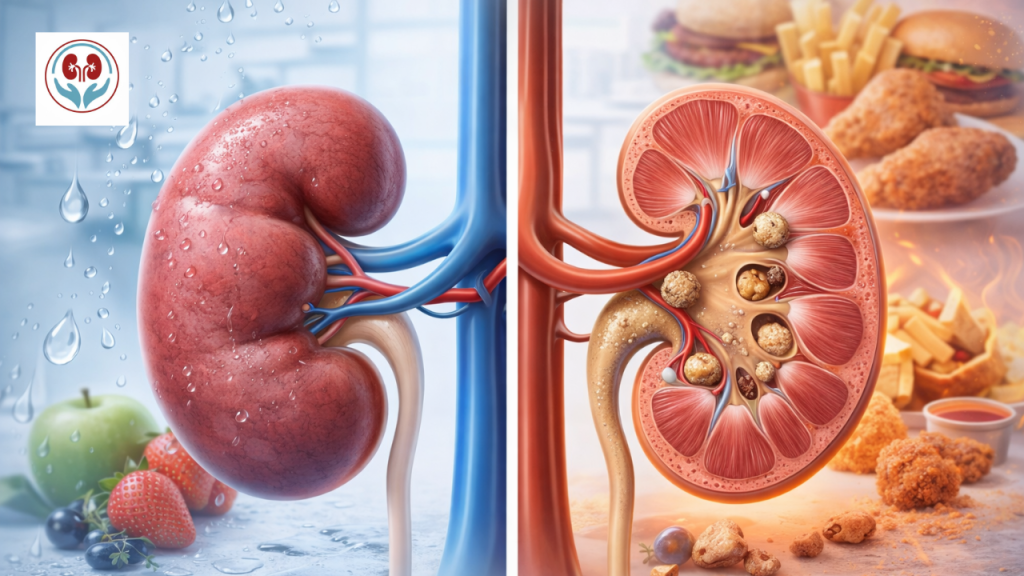
Kidney stones are hard mineral and salt deposits that form inside the kidneys when urine becomes concentrated. This allows minerals to crystallize and stick together, forming stones of different sizes. Some stones pass naturally, while others may require medical treatment.
Kidney stones can affect:
- Men and women
- Young adults and elderly patients
- People with sedentary or active lifestyles
What Causes Kidney Stones? An Overview
So, what causes kidney stones? In most cases, kidney stones develop due to a combination of factors rather than a single cause. These include:
- Poor hydration
- Unbalanced diet
- Sedentary lifestyle
- Certain medical conditions
- Genetic predisposition
- Long-term medication use
Let’s explore each of these causes in detail.
1. Dehydration: The Leading Cause of Kidney Stones
One of the most common answers to what causes kidney stones is not drinking enough water.
How Dehydration Leads to Stones
When your body doesn’t get enough fluids:
- Urine becomes highly concentrated
- Minerals like calcium, oxalate, and uric acid accumulate
- Crystals form and grow into stones
Who Is at Higher Risk?
- People living in hot climates
- Those who sweat excessively
- Individuals who drink less than 2–3 liters of water daily
💡 Tip: Clear or light-yellow urine is a sign of good hydration.
2. Diet and Kidney Stones: What You Eat Matters
Diet plays a major role in what causes kidney stones, especially when certain foods are consumed excessively.
High Salt Intake
Excess sodium:
- Increases calcium levels in urine
- Raises the risk of calcium-based stones
Common high-salt foods include:
- Packaged snacks
- Pickles
- Fast food
- Processed foods
Excess Animal Protein
Eating too much red meat, eggs, and seafood can:
- Increase uric acid levels
- Reduce citrate (a natural stone inhibitor)
- Promote stone formation
Oxalate-Rich Foods
Oxalates bind with calcium and form stones. Foods high in oxalates include:
- Spinach
- Beets
- Chocolate
- Nuts
- Tea
This is another key reason what causes kidney stones is often linked to diet.
3. Types of Kidney Stones and Their Causes
Understanding stone types helps clarify what causes kidney stones in different individuals.
Calcium Stones (Most Common)
Caused by:
- High calcium or oxalate levels
- Excess salt intake
- Dehydration
Uric Acid Stones
Linked to:
- High-protein diets
- Gout
- Diabetes
- Obesity
Struvite Stones
Usually caused by:
- Recurrent urinary tract infections (UTIs)
- Certain bacteria that alter urine chemistry
Cystine Stones
Caused by:
- A rare inherited disorder called cystinuria
Each type answers what causes kidney stones in a slightly different way.
4. Lifestyle Habits That Increase Kidney Stone Risk
Modern lifestyle choices strongly influence what causes kidney stones today.
Sedentary Lifestyle
Lack of physical activity:
- Affects calcium metabolism
- Increases mineral buildup
Obesity and Weight Gain
Being overweight:
- Alters urine composition
- Increases uric acid levels
- Raises stone risk
Irregular Eating Patterns
Skipping meals or crash dieting can:
- Disrupt mineral balance
- Trigger stone formation
5. Medical Conditions That Cause Kidney Stones
Certain health conditions directly explain what causes kidney stones in many patients.
Diabetes
People with diabetes often have:
- Acidic urine
- Higher uric acid levels
High Blood Pressure
Hypertension affects kidney filtration and mineral balance.
Gout
Gout increases uric acid levels, leading to uric acid stones.
Digestive Disorders
Conditions like:
- Crohn’s disease
- Ulcerative colitis
- Post-bariatric surgery
These conditions affect calcium absorption and increase stone risk.
6. Medications That May Cause Kidney Stones
Another overlooked aspect of what causes kidney stones is long-term medication use.
Certain drugs increase stone risk, including:
- Calcium supplements (without medical supervision)
- Vitamin D supplements (in excess)
- Diuretics
- Antacids containing calcium
- Some antiviral and chemotherapy drugs
Always consult a specialist before long-term medication use.
7. Genetic and Family History Factors
If kidney stones run in your family, your risk increases significantly.
Genetic factors can:
- Affect how your body processes minerals
- Influence urine chemistry
This inherited tendency is a key explanation of what causes kidney stones in younger patients.
8. Low Citrate Levels in Urine
Citrate helps prevent stone formation by binding calcium.
Low citrate levels can result from:
- Dehydration
- High protein diets
- Metabolic disorders
Low citrate is a silent but important factor in what causes kidney stones.
9. Recurrent Urinary Tract Infections (UTIs)
Repeated UTIs:
- Change urine pH
- Encourage struvite stone formation
- Damage kidney function
Ignoring UTIs is a common reason what causes kidney stones becomes a recurring problem.
10. How to Prevent Kidney Stones Naturally
Now that we understand what causes kidney stones, let’s discuss prevention.
Drink Enough Water
- Aim for 2.5–3 liters daily
- Increase intake during summers
Balanced Diet
- Reduce salt
- Moderate animal protein
- Eat calcium-rich foods (not supplements unless prescribed)
Maintain Healthy Weight
Regular exercise helps regulate mineral balance.
Regular Health Checkups
Early detection prevents complications.
When to See a Urologist?
You should consult a specialist if you experience:
- Severe back or abdominal pain
- Blood in urine
- Recurrent UTIs
- Difficulty passing urine
- History of kidney stones
Ignoring symptoms can worsen the condition.
Also, check our article on: Kidney Stone Symptoms in Men and Women
Why Early Diagnosis Matters
Understanding what causes kidney stones is only the first step. Early diagnosis:
- Prevents stone growth
- Reduces surgery risk
- Protects kidney function
Advanced imaging and lab tests can identify stone type and cause.
Expert Care at Surya Super Speciality Clinic
If you are suffering from kidney stones or want expert guidance on prevention, Surya Super Speciality Clinic offers comprehensive urology care with advanced diagnostic and treatment facilities.
Why Choose Us?
- Experienced urologists
- Modern laser stone treatment
- Personalized dietary counseling
- Advanced minimally invasive procedures
Surya Super Speciality Clinic is recognized as the Best Urology Specialist in East Delhi NCR, offering safe, effective, and patient-centered kidney stone treatment.
Final Thoughts
Understanding what causes kidney stones empowers you to make healthier lifestyle choices and avoid painful recurrences. From dehydration and diet to medical conditions and genetics, multiple factors contribute to stone formation.
If you or your loved ones are experiencing symptoms or have a history of kidney stones, don’t delay expert consultation.
👉 Visit Surya Super Speciality Clinic – the Best Urology Specialist in East Delhi NCR – for advanced diagnosis, treatment, and long-term kidney care.
Your kidney health deserves expert attention.